The Ultimate First-Timer’s Guide to Thailand

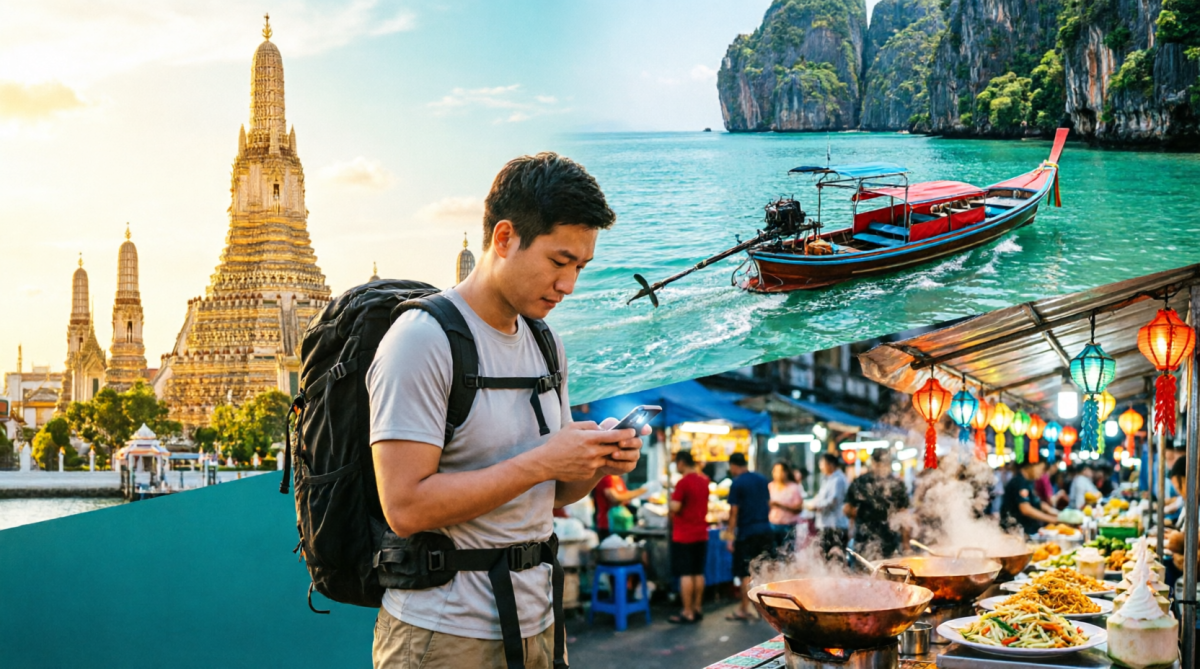
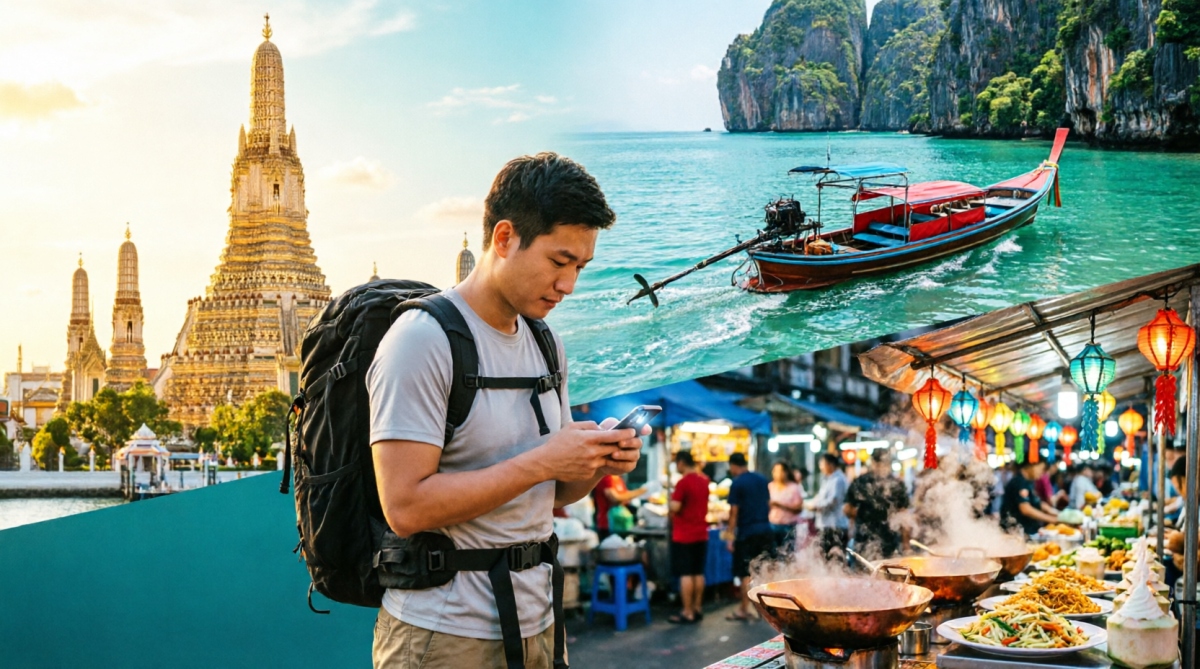
Thailand remains one of the most dynamic and rewarding destinations in the world. From the frenetic energy of mega-cities and the serenity of ancient temples to tropical islands and a culinary scene that rivals any global capital, the country offers an unparalleled diversity of experiences. This guide is designed to help first-time visitors navigate the essential planning stages, from timing your visit to understanding local customs, ensuring you get the most out of your holiday.
1. Timing Your Visit: Understanding the Seasons
One of the most common planning errors is assuming there is one "perfect" time to visit. Thailand has three distinct seasons, each with unique advantages and drawbacks. Your ideal timing depends on your budget, tolerance for heat or rain, and preferred itinerary.
The Cool, Dry Season (November – February)
Conditions: Clear skies, lower humidity, and comfortable temperatures averaging 25–32°C (77–90°F).
Pros: This is widely considered the most comfortable time for outdoor activities and exploration.
Cons: It is peak tourist season. Expect higher prices for accommodation and flights, as well as larger crowds at major attractions.
Important Note: From late February through April, Northern and Central Thailand (including Bangkok and Chiang Mai) often experience significant PM2.5 smog due to agricultural burning. Air quality can be poor, peaking in March and April. Conversely, the Southern islands generally maintain cleaner air during this period.
The Hot Season (March – May)
Conditions: Temperatures frequently exceed 40°C (104°F).
Pros: Fewer tourists and lower prices than the cool season.
Cons: Heat exhaustion is a genuine risk. Travelers should pace themselves, stay hydrated, seek shade, and limit strenuous outdoor activities to the early morning or evening.
The Rainy Season (June – October)
Conditions: High humidity with frequent rainfall. However, the experience varies significantly by month and region.
June & July: Rain typically falls in short, heavy downpours in the late afternoon or evening. Mornings are often clear, air quality is excellent, and tourist numbers drop, leading to better value.
September & October: These are the heaviest monsoon months. Rain can be persistent and may cause flooding in some areas.
Regional Exception: The Gulf of Thailand islands (Koh Samui, Koh Phangan, Koh Tao) have a different weather pattern, with their wettest months occurring from October through December.
Summary: November to early January offers the easiest overall experience, but visiting during the shoulder seasons (June–July) can offer great value and fewer crowds if you don’t mind occasional rain.
2. Choosing Your Destination: The Three Main Regions
Thailand is broadly divided into three tourism regions, each offering a distinct atmosphere.
Central Thailand
Anchored by Bangkok, this region is the primary transport hub and the starting point for most visitors.
Bangkok: A city of contrasts featuring world-class temples, chaotic markets, rooftop bars, and vibrant nightlife. It is fast-paced and intense.
Beyond the Capital:
Ayutthaya: The ancient capital, featuring crumbling ruins and historic stupas.
Hua Hin: A relaxed beach resort town favored by locals and royalty.
Pattaya: A busy coastal city known for its nightlife.
Islands: Koh Samed and Koh Chang offer accessible island escapes within a few hours of Bangkok.
Recommendation: Many travelers underestimate Central Thailand. Allocating more than just a couple of days in Bangkok allows for deeper exploration of the region’s historical and natural sites.
Northern Thailand
Often described as the cultural heartland, the North is cooler, slower-paced, and mountainous.
Chiang Mai: The regional hub, popular with digital nomads and culture seekers. The Old Town offers traditional temples and cafes, while the Nimman area provides a modern, trendy vibe.
Chiang Rai: Home to the iconic White Temple and Blue Temple.
Pai: A mountainous town with a bohemian atmosphere, known for canyon views and waterfalls.
Sukhothai: Features a UNESCO World Heritage historical park with serene ruins.
Note: Be mindful of the smog season (February–April) when planning a trip to the North.
Southern Thailand
The South is defined by its coastlines, split into two distinct sides:
The Andaman Coast (West): Includes Phuket, Krabi, and Koh Lanta. Known for dramatic limestone cliffs and clear waters.
Phuket: The largest island, with Patong as the party hub and Kata/Karon offering quieter resorts.
Krabi: A more relaxed alternative to Phuket, with access to Railay Beach and stunning karst landscapes.
Island Hopping: Trips to Phi Phi Islands, Maya Bay, and the Similan Islands are popular. Note that Maya Bay has strict conservation rules, including visitor caps and seasonal closures.
The Gulf Coast (East): Includes Koh Samui, Koh Phangan, and Koh Tao.
Koh Samui: The most developed and comfortable island.
Koh Phangan: Famous for its Full Moon Parties.
Koh Tao: A global hub for scuba diving certification.
Note: Remember the Gulf Islands’ wet season runs from October to December.
Off the Beaten Path
Kanchanaburi (West): Known for WWII history, waterfalls, and river scenery.
Khao Sok National Park: A stunning rainforest destination in Phang Nga.
Isan (Northeast): Offers a distinct culture influenced by Laos, with cities like Khon Kaen and Udon Thani. Ideal for travelers seeking authentic local life away from tourist crowds.
3. Key Festivals
Planning your trip around major festivals can enhance your experience, though it requires advanced booking.
Songkran (Thai New Year): Held mid-April (officially April 13–15, but often longer in places like Pattaya). It involves nationwide water fights and celebrations. Expect massive crowds, higher prices, and increased road traffic accidents. Use ride-hailing apps rather than renting vehicles during this time.
Loy Krathong & Yi Peng (Festival of Lights): Occurs on the full moon of November. Loy Krathong involves floating decorated baskets on waterways, while Yi Peng (specific to the North) features the release of sky lanterns. Chiang Mai is the premier destination for this festival. Accommodation sells out months in advance.
4. Planning Your Timeline
A common mistake is attempting to cover too much ground in a short period. Thailand looks small on a map, but travel between regions can be time-consuming.
1 Week: Stick to two destinations maximum (e.g., Bangkok + one other location like Chiang Mai or Phuket).
2 Weeks: Allows for a broader overview, such as splitting time between Bangkok, Chiang Mai, and one southern destination.
3+ Weeks: Enables a slower pace, allowing for deeper exploration of each region and visits to less touristy areas.
Recommendation: Adopt a "slow travel" approach. Spending more time in fewer places allows for a more immersive cultural experience and reduces travel fatigue.
5. Budgeting for Your Trip
Costs in Thailand vary wildly depending on your travel style.
Backpacker ($30–$50/day): Hostel dorms, street food, public transport.
Mid-Range ($50–$150/day): Private air-conditioned rooms, mix of street food and restaurants, ride-hailing apps, occasional tours.
Luxury ($250+/day): High-end resorts, fine dining, private transfers, premium experiences.
Cost Multipliers to Consider
Region: The Southern islands are generally 30–40% more expensive than the North due to an "island tax" on goods and services. Northern Thailand offers exceptional value. Bangkok fits any budget.
Season: Prices spike 30–50% during the cool high season (Nov–Feb) and major holidays. The rainy season (June–Oct) often sees significant discounts on accommodation.
Nightlife: Alcohol is relatively expensive in Thailand. A beer at a convenience store can cost as much as a street food meal, and rooftop bar drinks rival Western prices.
Health Insurance: Comprehensive travel health insurance is essential. While Thailand has excellent private healthcare, costs for emergencies (accidents, illness) can be high. Ensure your policy covers medical evacuation and activities like motorbike riding if applicable.
6. Money Matters
Currency: Thai Baht (THB). Cash is still king for street food, markets, and small vendors.
ATMs: Widely available but charge a fee (approx. 220–250 THB per transaction) for foreign cards. Withdraw larger amounts less frequently to minimize fees. Always decline "Dynamic Currency Conversion" (DCC) and choose to be charged in Baht.
Currency Exchange: For the best rates, use dedicated exchange booths like SuperRich, rather than airport banks or exchanging money in your home country. Bring clean, undamaged bills.
Cards: Credit cards are accepted in malls, hotels, and chain restaurants. Notify your bank of travel plans to avoid blocked transactions.
7. Packing Essentials
Less is More: Thailand is hot and humid. Pack light, breathable clothing. You can buy affordable clothes, toiletries, and medications locally (7-Eleven is ubiquitous).
Temple Attire: You must have clothing that covers shoulders and knees for temple visits. Carry a scarf or sarong if needed.
Electronics: Thailand uses Type A, B, and C outlets (same as US/Europe). UK/Australian travelers need adapters. Power banks must be in carry-on luggage and under 20,000 mAh.
Specific Items: Sunscreen and tampons are more expensive and harder to find outside major cities; consider bringing these from home.
8. Connectivity and Apps
SIM Cards/eSIMs: Tourist SIMs are available at airport kiosks (AIS, TrueMove). eSIMs offer convenience for immediate connectivity upon arrival. Local prepaid SIMs offer the best value for long stays but require passport registration.
Essential Apps:
Grab/Bolt: Ride-hailing and food delivery. Essential for avoiding taxi scams.
Google Maps/Translate: Navigation and language assistance.
12Go: For booking trains, buses, and ferries.
AirVisual: To monitor air quality.
Line: The primary messaging app used by businesses and locals.
9. Accommodation Tips
Booking Platforms: Cross-reference reviews on multiple platforms. Note that Thai defamation laws can sometimes lead to the removal of negative reviews on certain sites.
Airbnb Caution: Short-term rentals in condos are technically restricted in Thailand. Some buildings enforce anti-Airbnb policies. For short trips, hotels are often safer and similarly priced. For long stays, consider serviced apartments via specialized sites.
Location: In Bangkok, stay near BTS (Skytrain) or MRT (Subway) lines for easy access. Avoid relying solely on taxis in traffic-heavy areas.
10. Getting Around
Inter-City Travel:
Flights: Budget airlines (AirAsia, Nok Air) connect major hubs cheaply if booked in advance.
Trains: The overnight sleeper train to Chiang Mai is a classic experience. Book second-class lower berths early.
Buses/Vans: VIP buses are comfortable. Vans can be cramped; use reputable companies.
In-City Transport:
Bangkok: Use BTS/MRT trains to bypass traffic. River boats are scenic and efficient.
Ride-Hailing: Use Grab or Bolt for transparent pricing.
Tuk-Tuks: Treat as a novelty experience. Negotiate fares firmly before entering.
Songthaews: Shared pickup trucks, common in Chiang Mai and Pattaya. Learn the routes for cheap local travel.
11. Motorbike Safety
Renting a motorbike is popular but carries significant risk. Thailand has one of the highest road fatality rates globally.
License: An International Driving Permit (IDP) with a motorcycle endorsement is legally required. Without it, insurance is void, and you face fines.
Safety: Only rent if you are experienced. Wear a helmet. Film the bike’s condition before renting. Never leave your passport as a deposit; use a cash deposit instead.
12. Food and Dining
Thai cuisine is diverse and affordable.
Street Food: Often the best and safest option due to high turnover and fresh ingredients. Look for stalls with many local customers.
Spice Levels: Thai food can be very spicy. Use phrases like "mai phet" (not spicy) or "phet nit noi" (a little spicy) if needed.
Food Safety: Avoid pre-cooked food sitting in heat for long periods. Be cautious with cut fruit and raw vegetables if hygiene standards appear low. Stick to bottled water.
13. Health and Safety
Dengue Fever: Mosquito-borne and common. Use repellent, especially at dawn and dusk during the rainy season.
Traffic: Pedestrians do not always have the right of way. Look both ways, even at crosswalks. Traffic drives on the left.
Heat: Stay hydrated and take breaks to avoid heatstroke.
Medical Care: Pharmacies are widespread and can handle minor issues. International hospitals in major cities offer world-class care.
14. Laws and Customs
Vaping: Illegal. Possession can lead to heavy fines or imprisonment.
Smoking: Banned on beaches and in many public areas.
Cannabis: Legal for medical use but public consumption is prohibited. Do not transport cannabis across borders.
Drugs: Strictly illegal with severe penalties. Avoid any involvement.
Alcohol: Not sold on certain Buddhist holidays. Check local calendars.
Defamation: Criticizing individuals or businesses publicly (especially online) can lead to legal action. Avoid discussing the monarchy.
15. Cultural Etiquette
Temples: Dress modestly (cover shoulders/knees), remove shoes, speak quietly, and do not point feet at Buddha images.
Monks: Women should not touch monks or hand objects directly to them.
Head and Feet: The head is sacred; do not touch people’s heads. The feet are lowly; do not point them at people or sacred objects.
Spirit Houses: Small shrines found outside buildings. Treat them with respect; do not sit on or near them.
"Mai Pen Rai": Embrace the concept of "no worry." Maintain composure and avoid raising your voice in conflicts, as losing face is culturally significant.
16. Avoiding Scams
While Thailand is safe, tourist areas have common scams:
Friendly Strangers: Be wary of unsolicited approaches offering tours, gem deals, or advice. Politely decline and keep walking.
Transport: Use ride-hailing apps to avoid meter tampering or overcharging. Agree on tuk-tuk fares beforehand.
Change Scams: Count your change carefully. Use smaller bills when possible.
17. Entry Requirements
Digital Arrival Card: Most visitors must complete a digital arrival card within 3 days prior to arrival via the official government website or app. Beware of unofficial sites charging fees.
Passport: Must be valid for at least 6 months.
Visa: Check current visa exemption rules for your nationality. Overstaying results in fines (500 THB/day) and potential bans.
By planning ahead, respecting local customs, and staying aware of your surroundings, you can ensure a smooth and unforgettable journey through Thailand.
1. Timing Your Visit: Understanding the Seasons
One of the most common planning errors is assuming there is one "perfect" time to visit. Thailand has three distinct seasons, each with unique advantages and drawbacks. Your ideal timing depends on your budget, tolerance for heat or rain, and preferred itinerary.
The Cool, Dry Season (November – February)
Conditions: Clear skies, lower humidity, and comfortable temperatures averaging 25–32°C (77–90°F).
Pros: This is widely considered the most comfortable time for outdoor activities and exploration.
Cons: It is peak tourist season. Expect higher prices for accommodation and flights, as well as larger crowds at major attractions.
Important Note: From late February through April, Northern and Central Thailand (including Bangkok and Chiang Mai) often experience significant PM2.5 smog due to agricultural burning. Air quality can be poor, peaking in March and April. Conversely, the Southern islands generally maintain cleaner air during this period.
The Hot Season (March – May)
Conditions: Temperatures frequently exceed 40°C (104°F).
Pros: Fewer tourists and lower prices than the cool season.
Cons: Heat exhaustion is a genuine risk. Travelers should pace themselves, stay hydrated, seek shade, and limit strenuous outdoor activities to the early morning or evening.
The Rainy Season (June – October)
Conditions: High humidity with frequent rainfall. However, the experience varies significantly by month and region.
June & July: Rain typically falls in short, heavy downpours in the late afternoon or evening. Mornings are often clear, air quality is excellent, and tourist numbers drop, leading to better value.
September & October: These are the heaviest monsoon months. Rain can be persistent and may cause flooding in some areas.
Regional Exception: The Gulf of Thailand islands (Koh Samui, Koh Phangan, Koh Tao) have a different weather pattern, with their wettest months occurring from October through December.
Summary: November to early January offers the easiest overall experience, but visiting during the shoulder seasons (June–July) can offer great value and fewer crowds if you don’t mind occasional rain.
2. Choosing Your Destination: The Three Main Regions
Thailand is broadly divided into three tourism regions, each offering a distinct atmosphere.
Central Thailand
Anchored by Bangkok, this region is the primary transport hub and the starting point for most visitors.
Bangkok: A city of contrasts featuring world-class temples, chaotic markets, rooftop bars, and vibrant nightlife. It is fast-paced and intense.
Beyond the Capital:
Ayutthaya: The ancient capital, featuring crumbling ruins and historic stupas.
Hua Hin: A relaxed beach resort town favored by locals and royalty.
Pattaya: A busy coastal city known for its nightlife.
Islands: Koh Samed and Koh Chang offer accessible island escapes within a few hours of Bangkok.
Recommendation: Many travelers underestimate Central Thailand. Allocating more than just a couple of days in Bangkok allows for deeper exploration of the region’s historical and natural sites.
Northern Thailand
Often described as the cultural heartland, the North is cooler, slower-paced, and mountainous.
Chiang Mai: The regional hub, popular with digital nomads and culture seekers. The Old Town offers traditional temples and cafes, while the Nimman area provides a modern, trendy vibe.
Chiang Rai: Home to the iconic White Temple and Blue Temple.
Pai: A mountainous town with a bohemian atmosphere, known for canyon views and waterfalls.
Sukhothai: Features a UNESCO World Heritage historical park with serene ruins.
Note: Be mindful of the smog season (February–April) when planning a trip to the North.
Southern Thailand
The South is defined by its coastlines, split into two distinct sides:
The Andaman Coast (West): Includes Phuket, Krabi, and Koh Lanta. Known for dramatic limestone cliffs and clear waters.
Phuket: The largest island, with Patong as the party hub and Kata/Karon offering quieter resorts.
Krabi: A more relaxed alternative to Phuket, with access to Railay Beach and stunning karst landscapes.
Island Hopping: Trips to Phi Phi Islands, Maya Bay, and the Similan Islands are popular. Note that Maya Bay has strict conservation rules, including visitor caps and seasonal closures.
The Gulf Coast (East): Includes Koh Samui, Koh Phangan, and Koh Tao.
Koh Samui: The most developed and comfortable island.
Koh Phangan: Famous for its Full Moon Parties.
Koh Tao: A global hub for scuba diving certification.
Note: Remember the Gulf Islands’ wet season runs from October to December.
Off the Beaten Path
Kanchanaburi (West): Known for WWII history, waterfalls, and river scenery.
Khao Sok National Park: A stunning rainforest destination in Phang Nga.
Isan (Northeast): Offers a distinct culture influenced by Laos, with cities like Khon Kaen and Udon Thani. Ideal for travelers seeking authentic local life away from tourist crowds.
3. Key Festivals
Planning your trip around major festivals can enhance your experience, though it requires advanced booking.
Songkran (Thai New Year): Held mid-April (officially April 13–15, but often longer in places like Pattaya). It involves nationwide water fights and celebrations. Expect massive crowds, higher prices, and increased road traffic accidents. Use ride-hailing apps rather than renting vehicles during this time.
Loy Krathong & Yi Peng (Festival of Lights): Occurs on the full moon of November. Loy Krathong involves floating decorated baskets on waterways, while Yi Peng (specific to the North) features the release of sky lanterns. Chiang Mai is the premier destination for this festival. Accommodation sells out months in advance.
4. Planning Your Timeline
A common mistake is attempting to cover too much ground in a short period. Thailand looks small on a map, but travel between regions can be time-consuming.
1 Week: Stick to two destinations maximum (e.g., Bangkok + one other location like Chiang Mai or Phuket).
2 Weeks: Allows for a broader overview, such as splitting time between Bangkok, Chiang Mai, and one southern destination.
3+ Weeks: Enables a slower pace, allowing for deeper exploration of each region and visits to less touristy areas.
Recommendation: Adopt a "slow travel" approach. Spending more time in fewer places allows for a more immersive cultural experience and reduces travel fatigue.
5. Budgeting for Your Trip
Costs in Thailand vary wildly depending on your travel style.
Backpacker ($30–$50/day): Hostel dorms, street food, public transport.
Mid-Range ($50–$150/day): Private air-conditioned rooms, mix of street food and restaurants, ride-hailing apps, occasional tours.
Luxury ($250+/day): High-end resorts, fine dining, private transfers, premium experiences.
Cost Multipliers to Consider
Region: The Southern islands are generally 30–40% more expensive than the North due to an "island tax" on goods and services. Northern Thailand offers exceptional value. Bangkok fits any budget.
Season: Prices spike 30–50% during the cool high season (Nov–Feb) and major holidays. The rainy season (June–Oct) often sees significant discounts on accommodation.
Nightlife: Alcohol is relatively expensive in Thailand. A beer at a convenience store can cost as much as a street food meal, and rooftop bar drinks rival Western prices.
Health Insurance: Comprehensive travel health insurance is essential. While Thailand has excellent private healthcare, costs for emergencies (accidents, illness) can be high. Ensure your policy covers medical evacuation and activities like motorbike riding if applicable.
6. Money Matters
Currency: Thai Baht (THB). Cash is still king for street food, markets, and small vendors.
ATMs: Widely available but charge a fee (approx. 220–250 THB per transaction) for foreign cards. Withdraw larger amounts less frequently to minimize fees. Always decline "Dynamic Currency Conversion" (DCC) and choose to be charged in Baht.
Currency Exchange: For the best rates, use dedicated exchange booths like SuperRich, rather than airport banks or exchanging money in your home country. Bring clean, undamaged bills.
Cards: Credit cards are accepted in malls, hotels, and chain restaurants. Notify your bank of travel plans to avoid blocked transactions.
7. Packing Essentials
Less is More: Thailand is hot and humid. Pack light, breathable clothing. You can buy affordable clothes, toiletries, and medications locally (7-Eleven is ubiquitous).
Temple Attire: You must have clothing that covers shoulders and knees for temple visits. Carry a scarf or sarong if needed.
Electronics: Thailand uses Type A, B, and C outlets (same as US/Europe). UK/Australian travelers need adapters. Power banks must be in carry-on luggage and under 20,000 mAh.
Specific Items: Sunscreen and tampons are more expensive and harder to find outside major cities; consider bringing these from home.
8. Connectivity and Apps
SIM Cards/eSIMs: Tourist SIMs are available at airport kiosks (AIS, TrueMove). eSIMs offer convenience for immediate connectivity upon arrival. Local prepaid SIMs offer the best value for long stays but require passport registration.
Essential Apps:
Grab/Bolt: Ride-hailing and food delivery. Essential for avoiding taxi scams.
Google Maps/Translate: Navigation and language assistance.
12Go: For booking trains, buses, and ferries.
AirVisual: To monitor air quality.
Line: The primary messaging app used by businesses and locals.
9. Accommodation Tips
Booking Platforms: Cross-reference reviews on multiple platforms. Note that Thai defamation laws can sometimes lead to the removal of negative reviews on certain sites.
Airbnb Caution: Short-term rentals in condos are technically restricted in Thailand. Some buildings enforce anti-Airbnb policies. For short trips, hotels are often safer and similarly priced. For long stays, consider serviced apartments via specialized sites.
Location: In Bangkok, stay near BTS (Skytrain) or MRT (Subway) lines for easy access. Avoid relying solely on taxis in traffic-heavy areas.
10. Getting Around
Inter-City Travel:
Flights: Budget airlines (AirAsia, Nok Air) connect major hubs cheaply if booked in advance.
Trains: The overnight sleeper train to Chiang Mai is a classic experience. Book second-class lower berths early.
Buses/Vans: VIP buses are comfortable. Vans can be cramped; use reputable companies.
In-City Transport:
Bangkok: Use BTS/MRT trains to bypass traffic. River boats are scenic and efficient.
Ride-Hailing: Use Grab or Bolt for transparent pricing.
Tuk-Tuks: Treat as a novelty experience. Negotiate fares firmly before entering.
Songthaews: Shared pickup trucks, common in Chiang Mai and Pattaya. Learn the routes for cheap local travel.
11. Motorbike Safety
Renting a motorbike is popular but carries significant risk. Thailand has one of the highest road fatality rates globally.
License: An International Driving Permit (IDP) with a motorcycle endorsement is legally required. Without it, insurance is void, and you face fines.
Safety: Only rent if you are experienced. Wear a helmet. Film the bike’s condition before renting. Never leave your passport as a deposit; use a cash deposit instead.
12. Food and Dining
Thai cuisine is diverse and affordable.
Street Food: Often the best and safest option due to high turnover and fresh ingredients. Look for stalls with many local customers.
Spice Levels: Thai food can be very spicy. Use phrases like "mai phet" (not spicy) or "phet nit noi" (a little spicy) if needed.
Food Safety: Avoid pre-cooked food sitting in heat for long periods. Be cautious with cut fruit and raw vegetables if hygiene standards appear low. Stick to bottled water.
13. Health and Safety
Dengue Fever: Mosquito-borne and common. Use repellent, especially at dawn and dusk during the rainy season.
Traffic: Pedestrians do not always have the right of way. Look both ways, even at crosswalks. Traffic drives on the left.
Heat: Stay hydrated and take breaks to avoid heatstroke.
Medical Care: Pharmacies are widespread and can handle minor issues. International hospitals in major cities offer world-class care.
14. Laws and Customs
Vaping: Illegal. Possession can lead to heavy fines or imprisonment.
Smoking: Banned on beaches and in many public areas.
Cannabis: Legal for medical use but public consumption is prohibited. Do not transport cannabis across borders.
Drugs: Strictly illegal with severe penalties. Avoid any involvement.
Alcohol: Not sold on certain Buddhist holidays. Check local calendars.
Defamation: Criticizing individuals or businesses publicly (especially online) can lead to legal action. Avoid discussing the monarchy.
15. Cultural Etiquette
Temples: Dress modestly (cover shoulders/knees), remove shoes, speak quietly, and do not point feet at Buddha images.
Monks: Women should not touch monks or hand objects directly to them.
Head and Feet: The head is sacred; do not touch people’s heads. The feet are lowly; do not point them at people or sacred objects.
Spirit Houses: Small shrines found outside buildings. Treat them with respect; do not sit on or near them.
"Mai Pen Rai": Embrace the concept of "no worry." Maintain composure and avoid raising your voice in conflicts, as losing face is culturally significant.
16. Avoiding Scams
While Thailand is safe, tourist areas have common scams:
Friendly Strangers: Be wary of unsolicited approaches offering tours, gem deals, or advice. Politely decline and keep walking.
Transport: Use ride-hailing apps to avoid meter tampering or overcharging. Agree on tuk-tuk fares beforehand.
Change Scams: Count your change carefully. Use smaller bills when possible.
17. Entry Requirements
Digital Arrival Card: Most visitors must complete a digital arrival card within 3 days prior to arrival via the official government website or app. Beware of unofficial sites charging fees.
Passport: Must be valid for at least 6 months.
Visa: Check current visa exemption rules for your nationality. Overstaying results in fines (500 THB/day) and potential bans.
By planning ahead, respecting local customs, and staying aware of your surroundings, you can ensure a smooth and unforgettable journey through Thailand.